
Travelling responsibly: how to help animals in need
Summer holidays often take us to places where we may encounter free-roaming, abandoned or distressed animals. Seeing a dog or cat that appears to be in need naturally makes us want to step in straight away.
However, if we truly want to help an animal, it is important to take a moment and assess the situation before acting, in order to choose the most appropriate course of action.
Here are a few simple tips to help you respond responsibly if you meet an animal that appears to need assistance.
1. Do not automatically move an animal you find on the street
If you see a dog or cat that appears healthy, relaxed and comfortable in its surroundings, avoid moving it until you have a clearer picture of the situation.
In many places, both in Italy and abroad, community dogs, managed cat colonies and free-roaming animals exist and are cared for by local residents. Just because animals do not normally live freely on the streets where you come from does not mean this does not occur elsewhere.
Before intervening, take a few moments to observe: does the animal appear to be injured? Is it in immediate danger? Does it clearly need urgent help, or could it belong to a managed local population?

2. Find out what services are available locally
As soon as you arrive at your destination, spend a few minutes identifying the nearest veterinary clinics, local animal welfare organizations and shelters in the area.
Knowing who to call before an emergency arises can save valuable time should you come across an injured or sick animal, or one that does need urgent assistance.
3. Always call a shelter before taking an animal there
If you find an animal that needs to be taken into care, do not take it directly to a shelter without contacting them first.
Many associations are already operating at full capacity, with very limited space available. Arriving unexpectedly with another animal can place additional strain on organizations that are already caring for large numbers of animals every day.
A quick phone call allows you to check whether they have room and ensures you follow the best procedure according to the situation.
4. Focus on what is best for the animal
Even if a shelter agrees to admit the animal, take a moment to assess the situation when you arrive. If the facility is overcrowded or the animals appear to be living in unsuitable conditions, consider whether there may be a better short-term solution.
A veterinary clinic, boarding facility, or a temporary foster placement may provide a safer immediate solution while the best long-term outcome or adoption for the animal is sought.
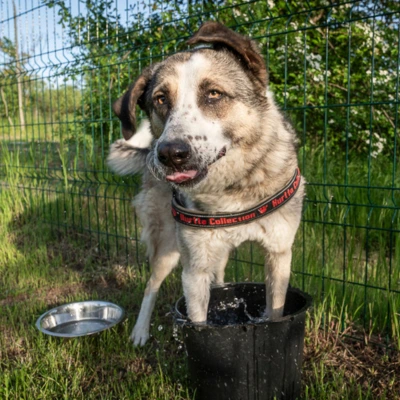
We know that taking responsibility for an animal in need while you’re travelling can feel overwhelming. But helping animals also means making thoughtful decisions and working together with the people and organizations already active in the area. Shelters and charities do extraordinary work, but they cannot shoulder every emergency alone.
Helping responsibly means choosing wisely
Our first instinct is often to act immediately, and that instinct comes from genuine compassion. But the greatest kindness is making sure that our actions genuinely serve the animal’s best interests and take account of the resources available locally.
By acting with care, seeking information and having a sense of responsibility, each of us can make a genuine difference to the lives of the animals we encounter – wherever our travels take us.

